
LuckyPays Mobile Casino: Browser Play and App Status
 Available in GB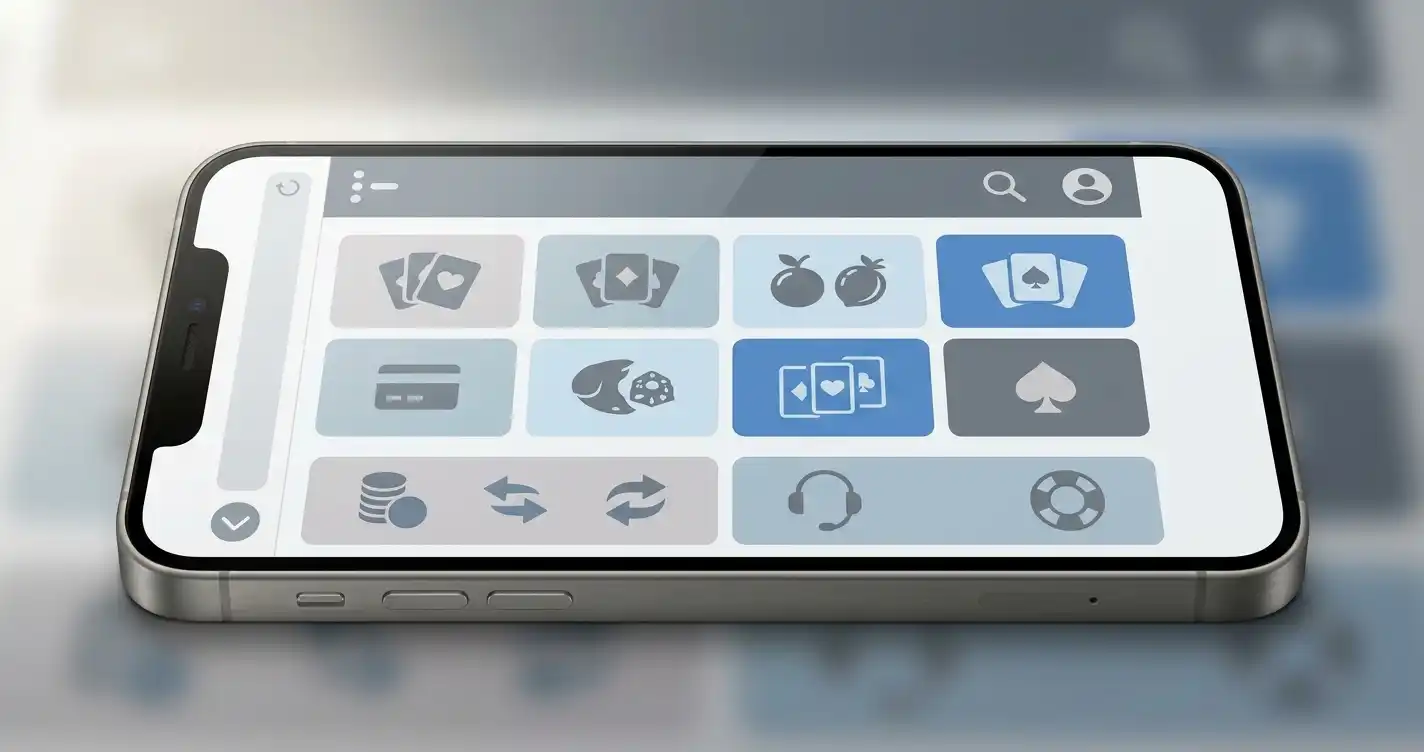
LuckyPays is accessible through a mobile browser. An official native application for iOS or Android is not established by the available operator information, so users should not assume that a download using the brand name is genuine. The normal browser route avoids installing a third-party application, but the actual game and cashier controls still need to work properly on the chosen device.
On a phone, the important tasks are locating games, opening the cashier, entering account information, using live dealer tables and reaching support. Test those functions on your normal device before relying on mobile access for a deposit or an active cash-out request. A separate app is not needed to assess the existing browser route.
LuckyPays through a mobile browser
LuckyPays supports mobile-browser play. That establishes a route to the casino from a phone, but does not guarantee a particular frame rate, battery consumption or performance on every device. Test the pages and games that matter to you, especially the cashier and any streamed live dealer table.
A separate LuckyPays listing on the Apple App Store or Google Play is not established by the brand information available. If an official application becomes available, the operator’s own website should link to its exact listing and identify the developer. Until then, browser access is the ordinary route for mobile use.
Search results may include third-party APK pages, mirrors and lookalike downloads that use casino names. A matching icon alone does not establish who distributes an app. Follow the operator’s own domain and confirm that any future store listing matches the brand and legal entity before installing software.
A five-minute mobile browser test
A mobile casino can look polished on the home screen and still become awkward when a user reaches account or payment tasks. A useful test should therefore cover the whole path rather than judging only the lobby.
- Open the site in your normal browser. Check whether menus, search, game categories and account controls fit the screen without horizontal scrolling.
- Use the game search and provider filters. The games includes a broad provider set, so search and filtering matter more on a small screen than raw catalogue size.
- Open the cashier and make sure deposit and withdrawal controls, method names, limits and status messages are legible. Compare the options for your account with the payment methods section, and do not assume a desktop-only layout will be equally usable on a phone.
- Check account settings. Make sure profile, security and verification areas are reachable without switching to desktop mode. The registration and KYC explains why accurate account data matters.
- Test support access. If help is needed, the support control should be easy to reach from the same device rather than requiring a separate desktop session.
That checklist measures functional usefulness. It avoids inventing benchmark scores that would vary by phone, browser, network quality and the games loaded during a session.
Include the full path back from a game to the cashier and support, not just whether the homepage loads. Check that transaction confirmations and errors can be read without losing text at the edge of the screen. Try both the normal portrait view and landscape mode for games that use a wider layout. A browser experience that looks polished on entry may still make an essential withdrawal or verification control difficult to reach.
Browser play versus a native app
| Question | Mobile browser | Native app, if one is released |
|---|---|---|
| Installation | No separate installation; open the site in a browser. | Requires an official distribution route linked by the operator. |
| Updates | Site changes are delivered through the web version. | May require app updates through the store. |
| Storage | Usually avoids a large dedicated application install. | Uses device storage for the installed app and updates. |
| Shortcut access | A browser shortcut can be added to the home screen. | App icon is installed directly. |
| Verification confidence | Available through the LuckyPays mobile website. | No official LuckyPays store listing established. |
A native app is not automatically better. For a casino, the important difference is whether the interface gives reliable access to the same account controls and transaction information. If the browser version exposes those functions clearly, installing another application may add little beyond a dedicated icon and device-level integration.
Games on a phone
LuckyPays includes live casino alongside its broader game catalogue. On a phone, test portrait and landscape layout, game loading, touch controls and the route back to the lobby. The games section covers game categories; mobile usability depends on the specific title, screen size and connection.
Slot interfaces are usually compact, but live casino can be more demanding because it combines streamed video with betting controls and table information. If live dealer games are a priority, test them on the network you actually use. A strong Wi-Fi result does not prove the same experience on congested mobile data. The live casino explains the category separately.
Do not infer technical quality from static images alone. A static image can show that a layout exists, but not whether a game remains responsive after several minutes, whether audio stays synchronised or whether a session resumes cleanly after a connection change.
Cashier tasks matter more than the lobby
Visa and Mastercard are among LuckyPays payment methods, but a listed network does not mean every card or country is accepted. On mobile, the cashier should show transaction information clearly, including currency, method, minimum and maximum values and any status message that needs attention.
Before depositing on a phone, read the chosen method, currency, live limits and any identity message. For cash-outs, open the withdrawal menu rather than inferring the options from a deposit page; the withdrawal section explains how operator approval, identity checks and payment settlement can affect arrival of funds.
A practical mobile test is to see whether transaction history, pending status and support access can all be reached without leaving the mobile flow. Those controls become especially useful if a payment needs investigation later.
Account and KYC work on mobile
Mobile convenience also depends on whether account checks can be completed clearly and securely. LuckyPays may ask for identity material, but the specific request and its processing time depend on the account. Follow the current instructions and use designated official support channels for sensitive information.
On a phone, check whether document upload controls are legible, whether image previews can be reviewed before submission and whether the account shows a clear status after an upload. If the mobile interface is unclear, do not repeatedly submit the same sensitive file. A desktop browser may be easier for reviewing filenames and messages, but that is a usability choice rather than a LuckyPays requirement.
The account setup page covers the wider registration and identity-verification workflow without inventing brand-specific KYC details.
Test session continuity, not just first load
One extra mobile check is what happens when the phone changes state. Lock and unlock the device, switch briefly to another app, rotate the screen and move between Wi-Fi and mobile data if that is part of normal use. A casino session that looks fine on first load can still be awkward if navigation resets or a game must be reopened after every interruption.
Do not assume a resumed screen means a wager or payment state has been preserved. After any interruption, check the account or transaction status before repeating an action. That habit is especially useful around deposits, withdrawals and live games, where duplicate taps or stale pages are more consequential than a lobby reload.
Security and download hygiene
Unfamiliar download pages, unofficial app stores and APK mirrors can use the LuckyPays name without being linked to the operator. Avoid entering account credentials into an untrusted application and use the brand’s own domain trail to evaluate any future store listing.
Use the same domain trail you would use on desktop, check the page before entering credentials and keep your browser and operating system updated. If a native app is added in future, verify that the operator links to the exact store listing and that the developer information is consistent with the operator’s current legal information before installing it.
An app-store badge on a third-party page is insufficient by itself; the destination listing, developer details and a matching operator link matter when identifying an official application.
When a dedicated app would change this assessment
The app status should be revisited if LuckyPays publishes an official Apple App Store or Google Play link, or if a store listing can be independently matched to the current operator and domain. At that point, a useful review would check developer identity, supported operating-system versions, update history, permissions and whether the app exposes the same cashier and account tools as the browser site.
Mobile-browser access provides a straightforward way to use LuckyPays on a phone. Assess it through actual game loading, cashier navigation and account tasks. Native software, if offered separately, would need its own identifiable distribution route rather than being inferred from responsive website design.
Mobile decision checklist
- Mobile-browser access is available.
- An official LuckyPays iOS or Android store listing is not established.
- Test search, categories and account navigation on your own phone.
- Check cashier details in the live interface rather than relying on old captures.
- For live casino, test the connection and controls under normal network conditions.
- Do not install an unaffiliated APK or app-store lookalike.
- Keep registration and verification data consistent across mobile and desktop use.
For the broader product picture, return to the LuckyPays review. Mobile access should be judged alongside payments, account verification and regulatory status rather than as an isolated convenience feature.